Understanding Airborne Pollutants and Their Impact on Health
Back to BlogMedical Safety

Understanding Airborne Pollutants and Their Impact on Health

PMI Saudi Team
March 26, 2026

A simple guide to airborne pollutants, their types, health risks, and how to protect yourself using effective solutions like N95 masks.

Airborne Pollutants

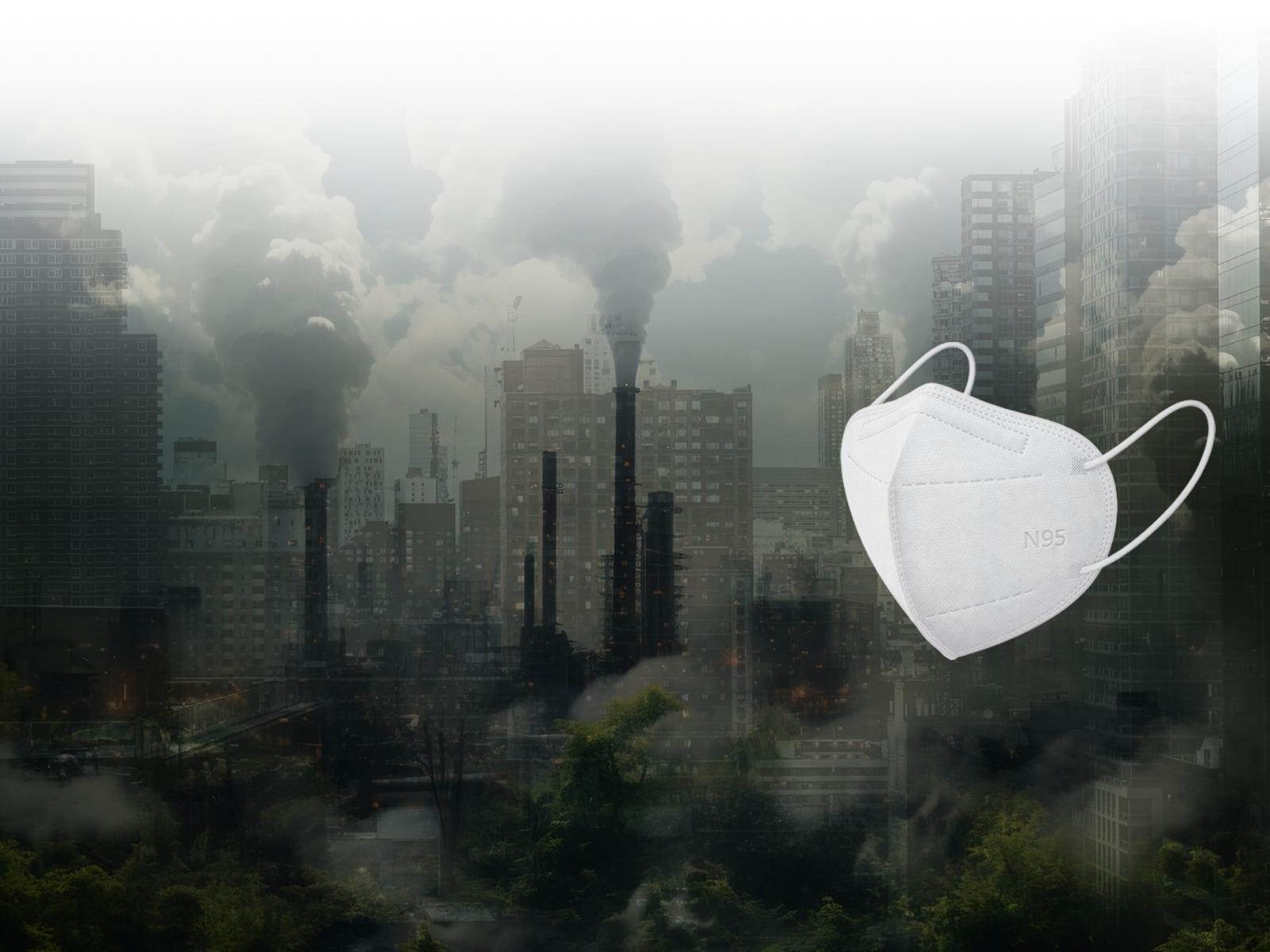
Airborne pollutants are tiny harmful particles or gases present in the air that can affect human health when inhaled. They are often invisible and exist in both indoor and outdoor environments.

Types of Airborne Pollutants

  • Particulate Matter (PM2.5 & PM10): Fine dust particles from construction, traffic, and industrial activities.
  • Smoke & Fumes: Generated from burning fuel, factories, and fires.
  • Bacteria & Viruses: Spread through air droplets, especially in crowded environments.
  • Chemical Gases: Including carbon monoxide (CO), sulfur dioxide (SO₂), and nitrogen dioxide (NO₂).
  • Allergens: Such as pollen, mold spores, and pet dander.

Health Effects

  • Breathing problems such as asthma and coughing
  • Lung infections
  • Heart-related issues
  • Eye, nose, and throat irritation
  • Long-term exposure may lead to serious chronic diseases

Protection Methods

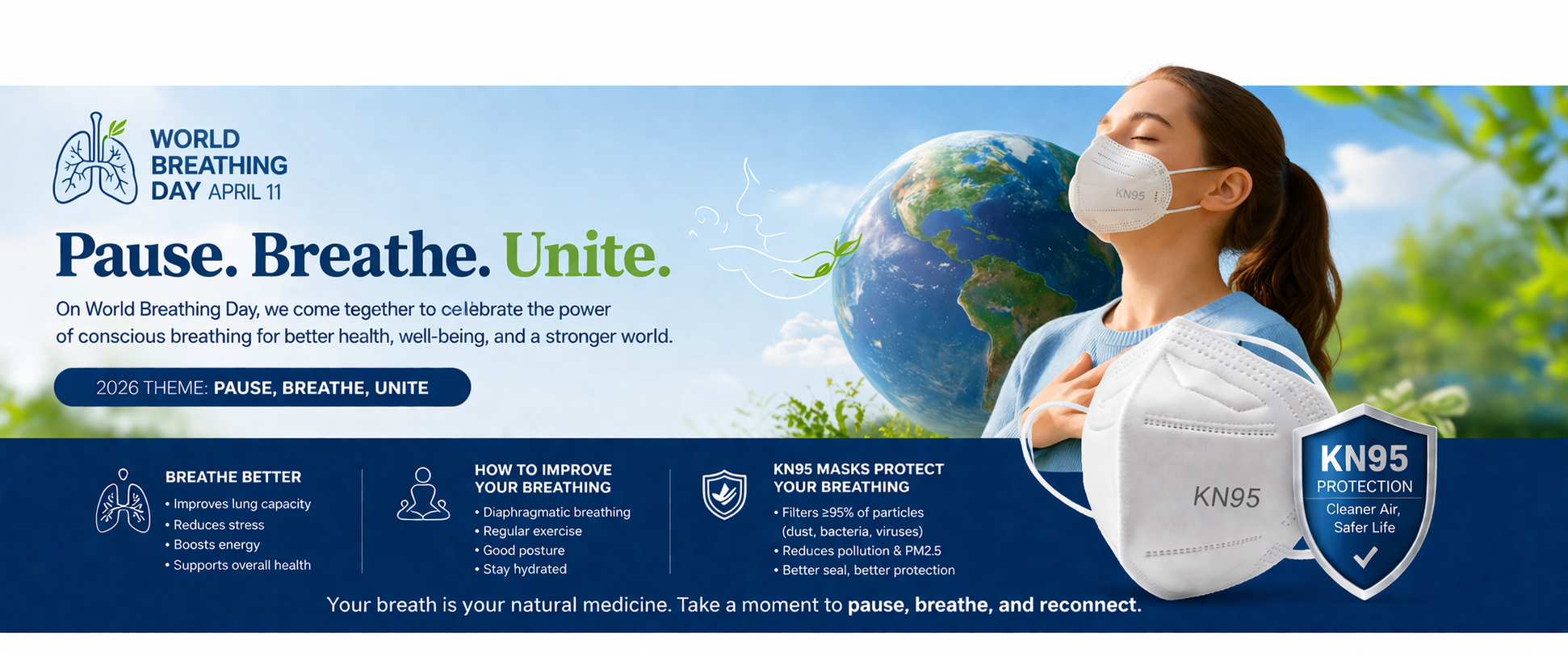
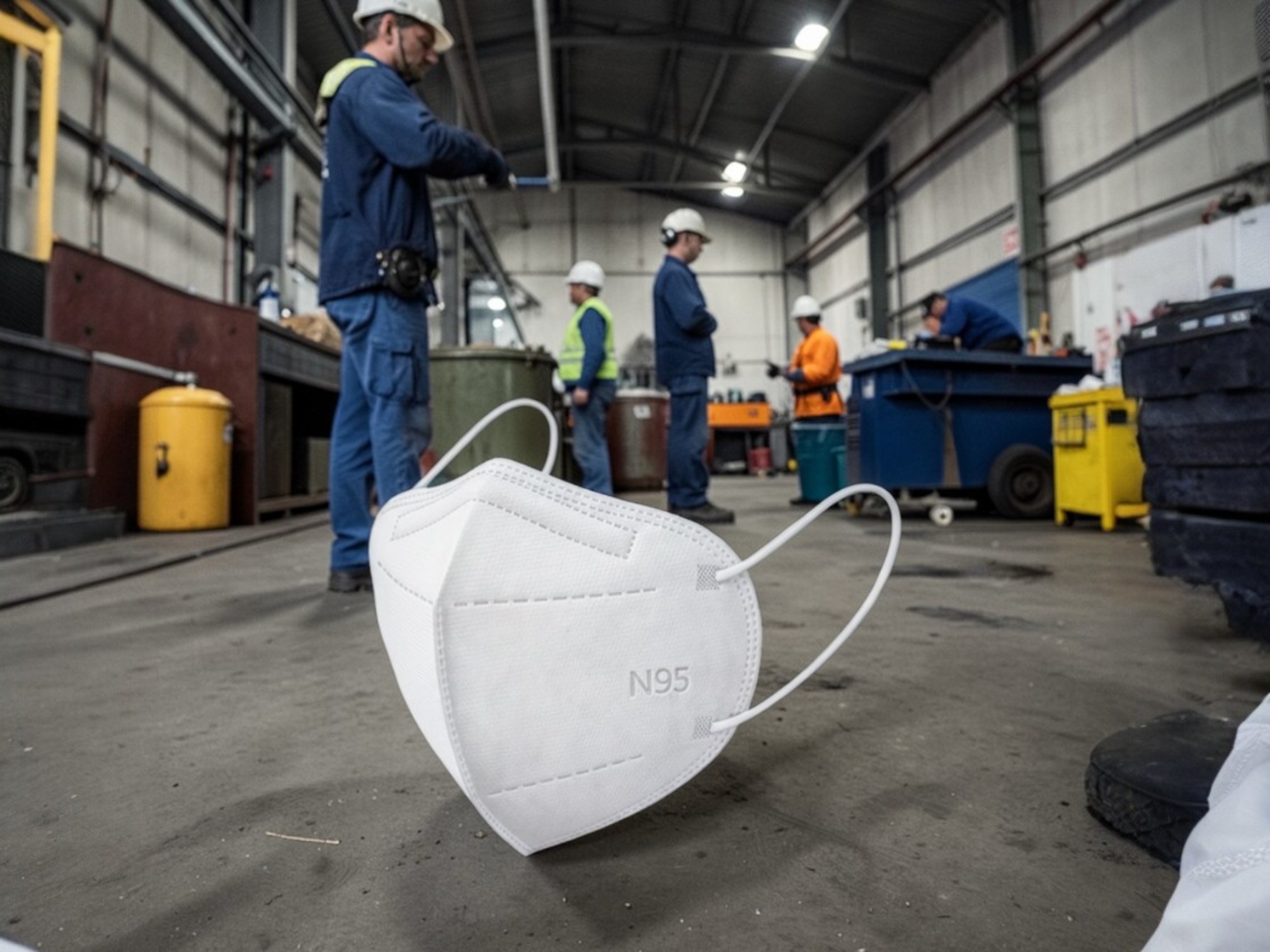
  • Use N95 masks (filters up to 95% of airborne particles)
  • Avoid highly polluted environments when possible
  • Improve indoor ventilation
  • Use air purifiers for better air quality

Simple Explanation

Airborne pollutants are invisible harmful particles in the air we breathe every day—especially in cities and industrial areas—making protective solutions like N95 masks essential for maintaining health and safety.

Share this article

Need Our Products or Services?

Discover our comprehensive range of medical and industrial safety equipment
PMI
PMI Saudi

Leading manufacturer of medical and safety equipment in Saudi Arabia.

Contact Us

  • P.O. Box 5231, Dammam 31422, Saudi Arabia
  • +966 138874444
  • info@pmisaudi.com

Follow Us

© 2026 PMI Saudi. All rights reserved.